Last year I wouldn’t of had a clue that this month is Hip Health Month. But thanks to the amazing ‘hip‘ community online and Steps Charity, on day one I was well aware of the important messages being shared. Raising awareness so we all know the signs of hip dysplasia.
Risk factors of hip dysplasia
Steps, the leading charity working for all those whose lives are affected by childhood lower limb conditions, aim is to raise awareness of DDH amongst parents and health professionals. They want to raise awareness of the vital need to check and care for babies hips correctly.
Even with all the knowledge of DDH I’ve tried to arm myself with since our diagnosis late last year, I was surprised what I’ve learnt this week so far.
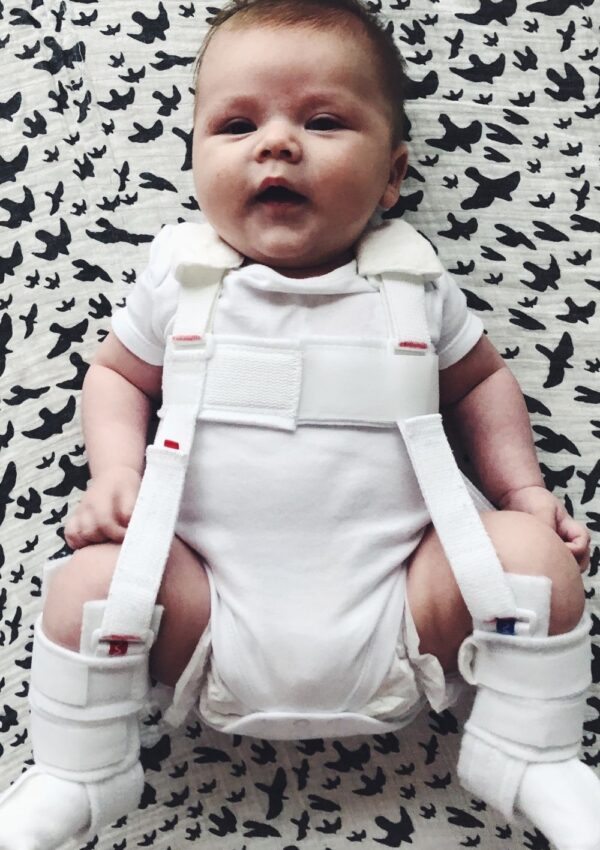
If you would like to read more about our hip dysplasia journey, this post is a great place to start-Our hip dysplasia journey- from double nappies to the Pavlik harness – Flicks and Red Lips
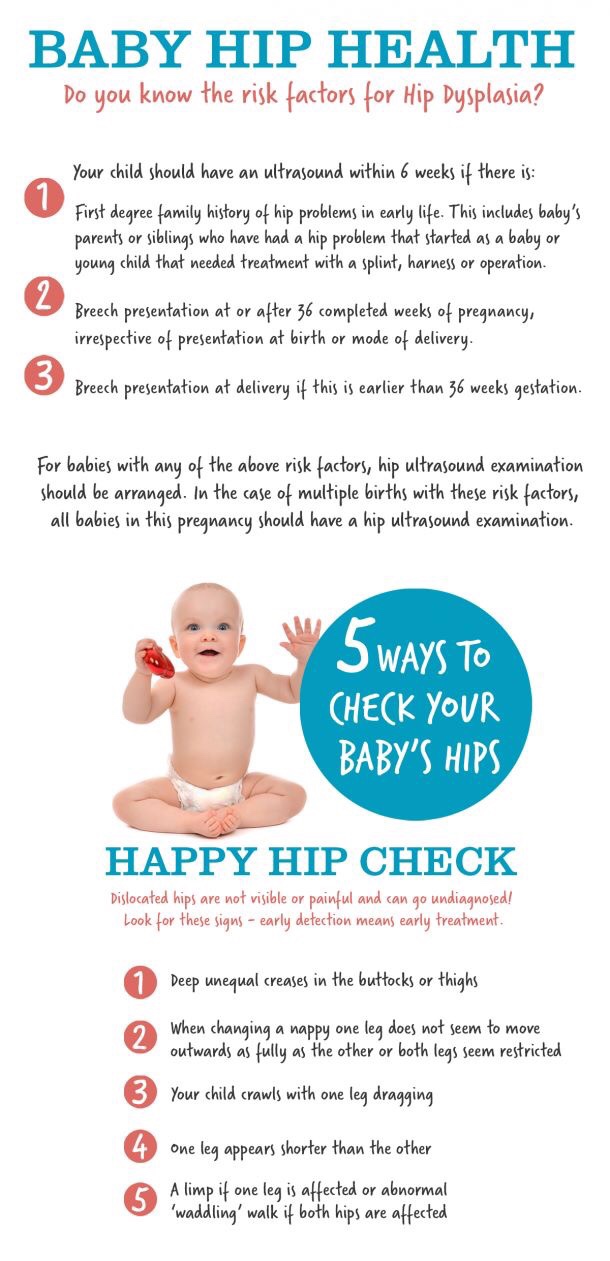
As you’ll see in the above poster, babies with a direct hereditary link should have an ultrasound BY 6 weeks of age. I too had DDH, nut our son had his at 7 weeks, after being told he had to be at least 6 of age. Luckily it seems like his treatment is working, however, if it wasn’t, I would be devastated that crucial time had been wasted.
Other causes of DDH
I’ve mentioned before that tight or incorrect swaddling can lead to DDH if baby already has even the slightest hip instability. But, I wasn’t aware that too much time in a car seat can also be a factor. We are all aware of the 2 hour rule when driving, but how many of us bend the rules when attaching the seat to the pram when picking up the weekly shop? It’s another danger of car seats that we just don’t think or talk about.
Later signs of hip dysplasia
If your baby didn’t have DDH detected in the early days, you still need to check their hips as they get older. Steps recommend looking for the following signs-
1. Deep unequal creases in the buttocks or thighs.
2. When changing a nappy one leg does not seem to move outwards as fully as the other or both legs seem restricted
3. Your child crawls with one leg dragging.
4. One leg appears shorter than the other.
5. A limp if, one leg is affected, or abnormal ‘waddling’ walk, if both hips are affected.
If you spot these signs, see your GP who’ll refer them for further investigations.
Online community
There is so much being shared amongst the online ‘hip’ community that I’m sure hip health awareness will be at its peak this year. If you’ve just landed here for the first time, there’s lots of posts about our Hip Dysplasia journey which I hope you might find helpful. But in the meantime, please check out Steps Facebook page and share their posts. Hip dysplasia isn’t life threatening but without early detection, it can be life changing.
Sian x



Leave a Reply